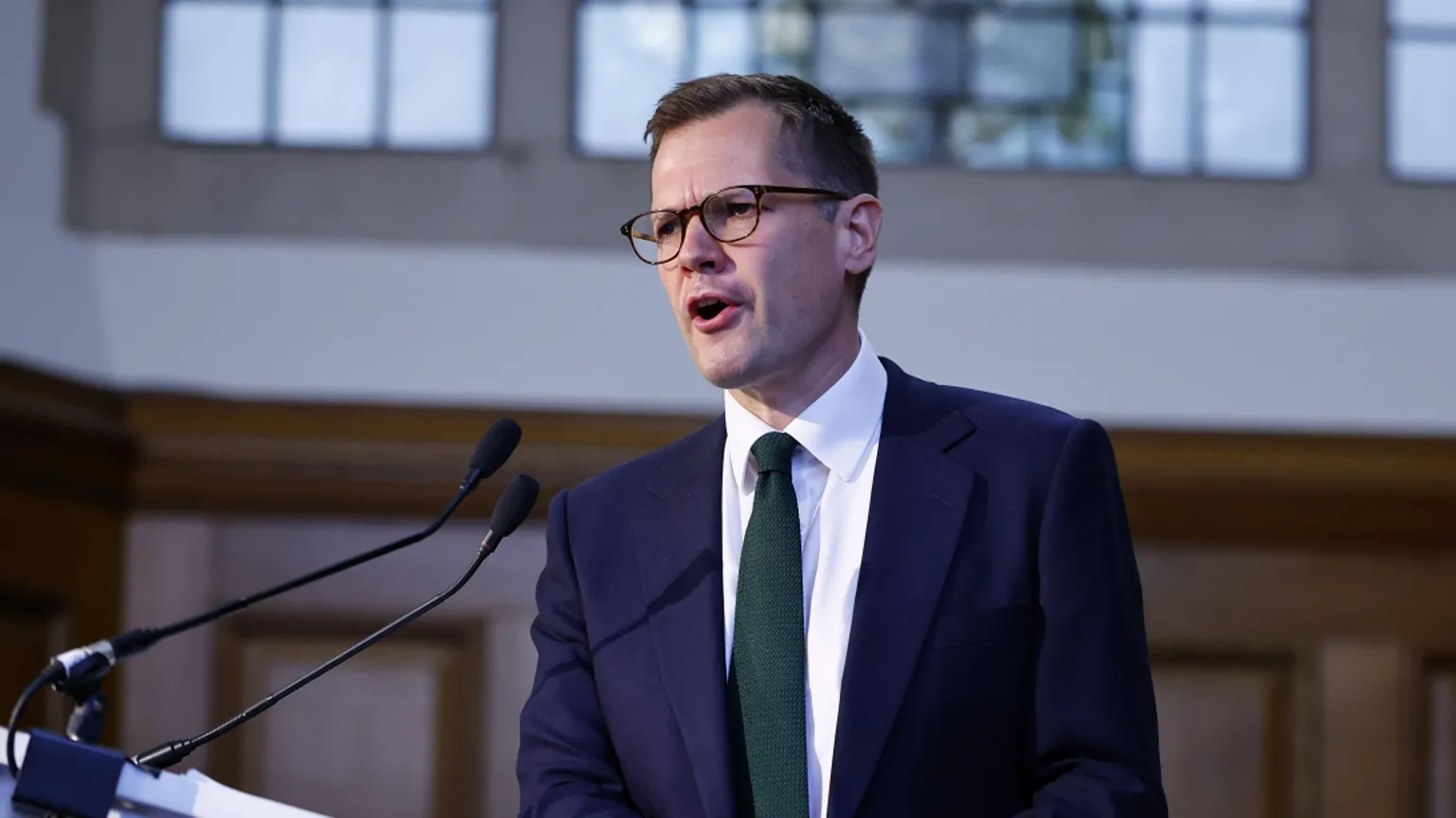
A political row has emerged over the future funding of adult social care in England after Reform UK Treasury spokesman Robert Jenrick challenged Prime Minister Andy Burnham to rule out future tax increases to pay for planned reforms.
Burnham has made overhauling England’s adult social care system one of his government’s key priorities, promising to create a more integrated National Care Service that works closely alongside the NHS. However, while he has emphasized making better use of existing budgets before considering additional revenue, he has declined to rule out future tax increases, saying “difficult decisions” lie ahead.
Speaking on Wednesday, Burnham said he and Chancellor John Healey would immediately begin examining ways to improve pay, training, and conditions for care workers, with those initial measures expected to be funded from existing government budgets. Broader funding proposals are expected to be outlined following a review of adult social care led by Baroness Casey, which has been brought forward and is now due to be published next summer.
Burnham stressed that the review would explore sustainable ways to finance a National Care Service capable of working more closely with the NHS while improving support for older people and vulnerable adults.
Reform UK has strongly criticized the government’s refusal to rule out new taxes. During a press conference, Robert Jenrick warned against what he described as a potential “death tax,” referencing proposals Burnham supported while serving as Health Secretary under former Prime Minister Gordon Brown in 2009.
Those earlier proposals would have introduced a compulsory levy that people could choose to defer until after their death to help fund long-term care. At the time, the Conservative Party labeled the proposal a “death tax.” Burnham has clarified that his previous proposal was designed to prevent elderly people from having to sell their homes to pay for care and has not proposed reintroducing the same policy.
Jenrick argued that any reforms should instead be funded through reductions in foreign aid spending, cuts to benefit payments for migrants, and broader government savings. He also said Reform UK would prioritize recruiting more British workers into the care sector by ending visas for overseas care workers while increasing pay for domestic staff.
The Conservative Party has also called on Burnham to rule out tax increases or additional borrowing to fund social care reforms. Conservative leader Kemi Badenoch wrote to the Prime Minister, arguing that any long-term solution must remain fair to people who have saved throughout their lives to prepare for future care needs.
As part of efforts to build cross-party support, Burnham has held discussions with Liberal Democrat leader Sir Ed Davey and Shadow Health Secretary Stuart Andrew. Badenoch was unable to attend the talks, while Reform UK and the Green Party were not invited. Both parties expressed disappointment at their exclusion.
Jenrick said he was unsurprised that Reform UK leader Nigel Farage had not been included, insisting his party remains committed to addressing the challenges facing health and social care despite not appointing a dedicated health spokesperson.
Adult social care remains one of the most difficult policy challenges facing successive UK governments. Unlike NHS treatment, social care in England is means-tested, with individuals who have savings exceeding £23,250 generally expected to contribute toward the cost of their care. Different eligibility rules apply in Scotland and Wales.
The government’s forthcoming social care review is expected to play a key role in shaping future reforms, including how services will be funded and integrated with the NHS, while debate over taxation and public spending is likely to continue as proposals emerge.